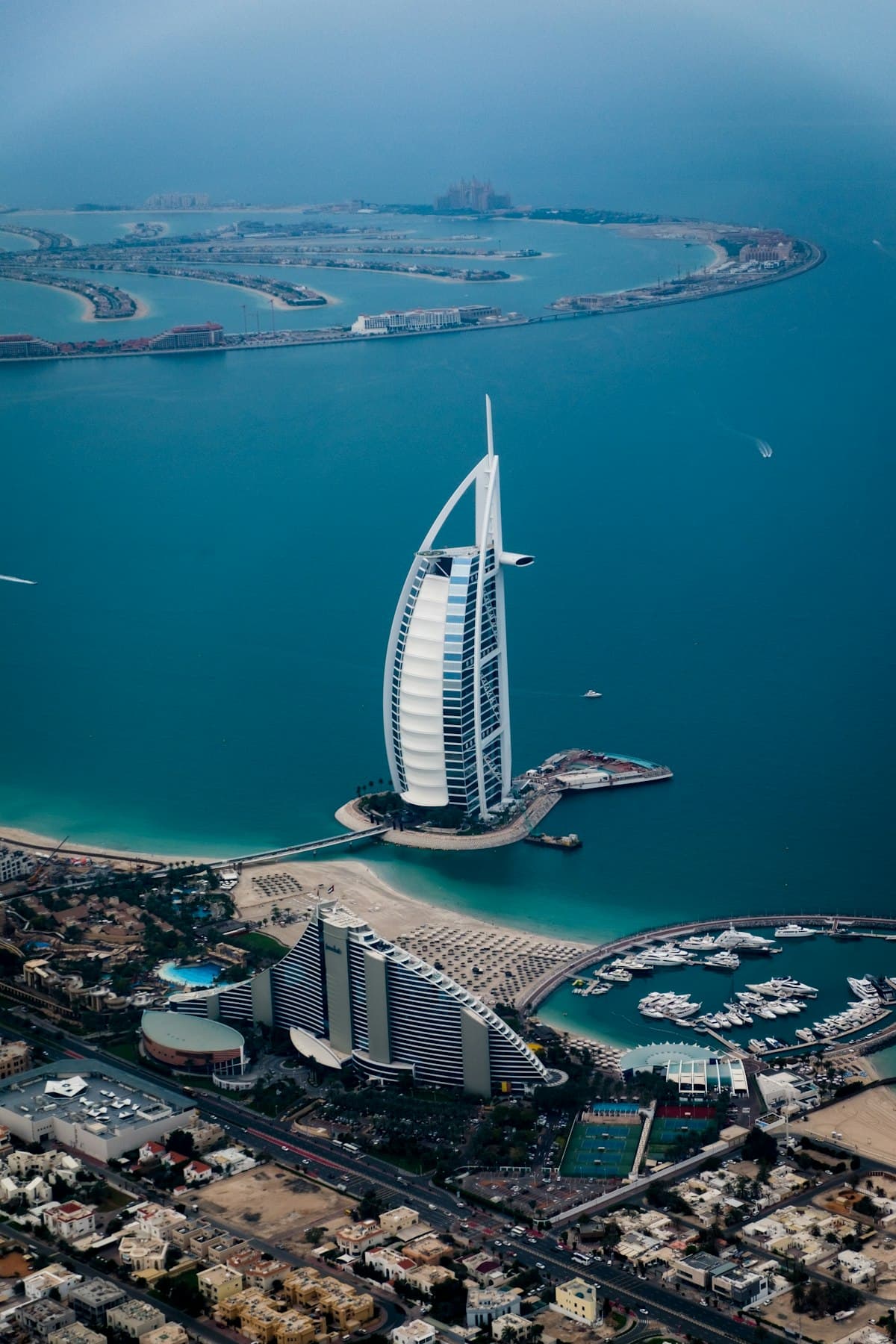
Dubai’s property market is beginning to show early signs of weakening nearly three weeks into the U.S.-Israeli war on Iran, with data from analysts showing declining transaction volumes and some real estate agents pointing to price reductions.
Real-estate transaction volumes in the UAE fell 37% year-on-year in the first 12 days of March, and 49% month-on-month, according to Goldman Sachs analysts. The total value of completed transactions so far this month was down by half compared with February — a much bigger drop than during the 2024 Dubai floods or a previous Iran-Israeli conflict last June.
Some properties are already being offered at discounts, with price cuts of 12–15%, according to real estate agents. The median transacted price, however, was only down 3% on a year earlier, suggesting sellers are holding asking prices rather than engaging in panic selling.
Shares in property developers have also fallen. Emaar Properties, the developer behind Burj Khalifa, is down more than 26% on the Dubai bourse since the conflict began, reflecting a reassessment by institutional investors regarding the projected delivery and sales of the hundreds of thousands of units currently in the pipeline through 2028.
The villa segment has been particularly affected, with transaction values collapsing by 89% year-over-year in the second week of March. The secondary market saw overall transaction values fall by 59% year-over-year, while the off-plan segment saw volumes decline 38% year-over-year.
Industry experts argue that the fundamentals remain intact. Banks and developers have significantly stronger balance sheets than they did in 2008, with real estate loan exposure sitting at a manageable 14% of total UAE bank loans. If regional de-escalation occurs within the quarter, the ‘safe haven’ narrative may quickly restore volumes. However, prolonged conflict could force a price correction of up to 15%, as projected by analysts.
Tags
Share